


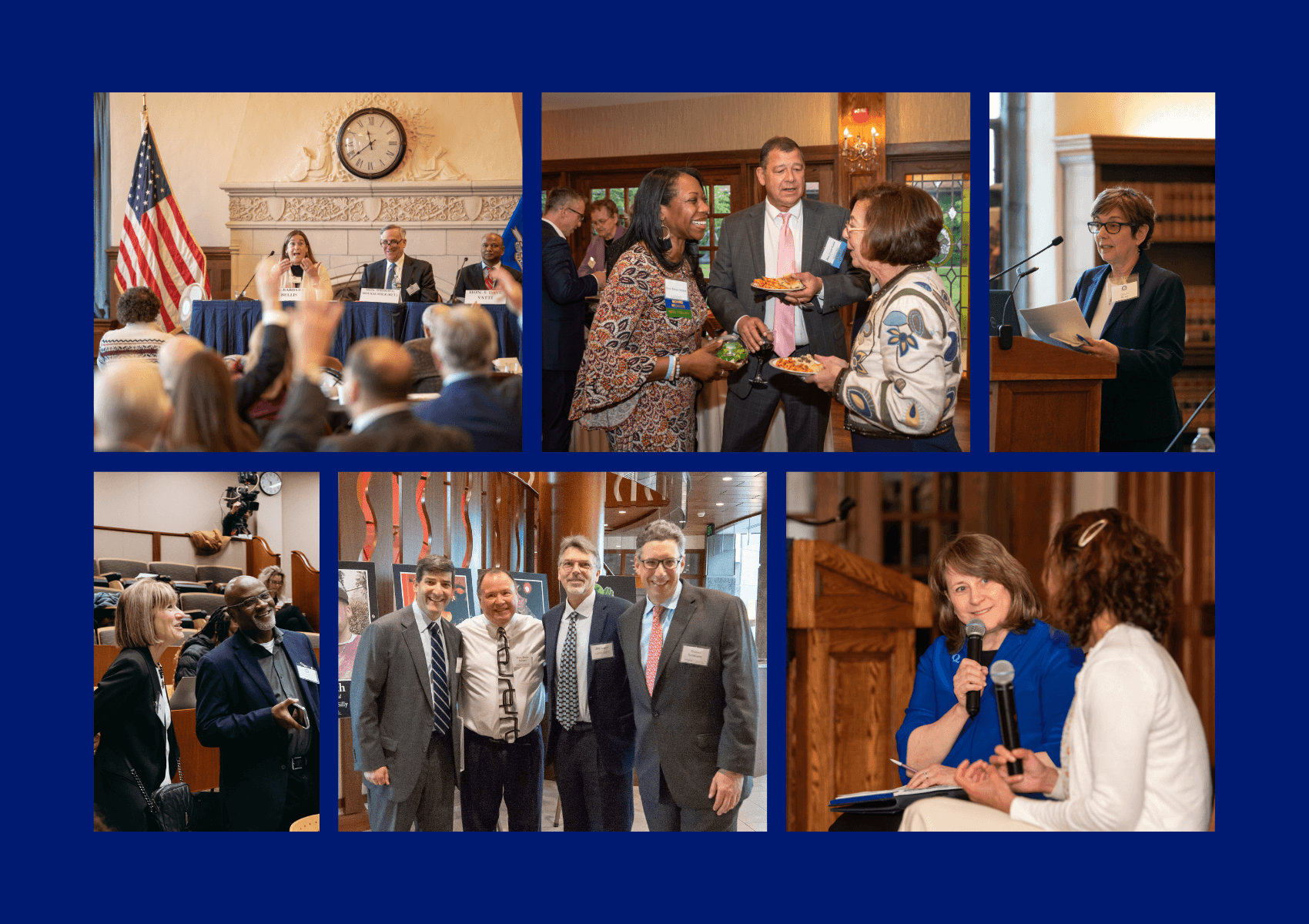
Fellows support CBF's mission to facilitate systemic change that advances civil justice for all, regardless of power or resources, to achive a more just and equitable society.
The James W. Cooper Fellows help further CBF's mission by developing and sponsoring projects and programs to promote a better understanding of the legal profession, the judicial system, and the role of law in society; to explore ways to improve the profession and the administration of justice; and to further the highest ideals of the legal system. Fellows programs tackle topics of timely importance to the legal community.
Review our active programs and then fill out the form to join a committee, volunteer, or suggest new ideas. We can't wait for you to join us!
-
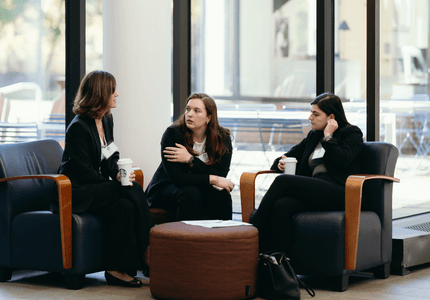
Roundtables are virtual or in-person events that offer focused discussions with other Fellows that cover a broad range of subjects, driven by the Fellow "hosting" the event. Attendance is limited in order to facilitate meaningful and open dialogue. In addition to attending any Roundtable, consider joining the Knights of the Roundtable - the group that oversees topic selection - or let us help you plan a Roundtable on a topic of interest to you.
-
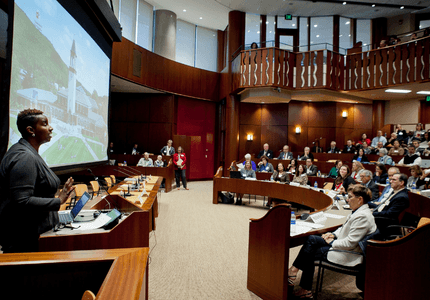
Chief Justice Speziale was a pioneer in bringing alternative dispute resolution to Connecticut. Under his tutelage, our state became a national model on how to expedite cases. This biannual series dives into timely topics in ADR.
-
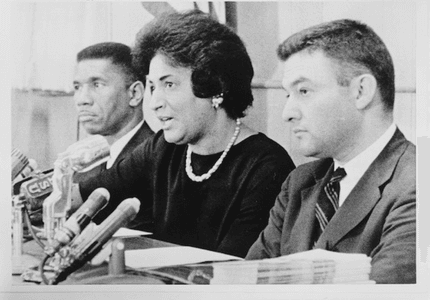
This nationally-recognized series was established by Connecticut Bar Association and CBF as an ongoing forum for the Connecticut legal community to explore issues of racial inequality and systemic racism. It is named in honor of civil rights trailblazer Judge Constance Baker Motley, with the goal of supporting and fostering renewed commitment to advancing civil rights and social justice. Events in this program run throughout the year.
-
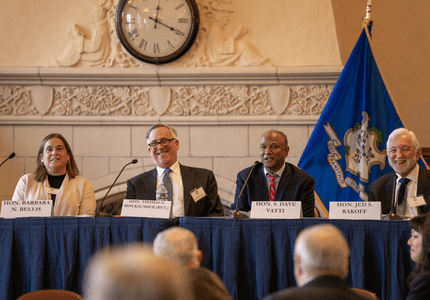
In 2012, the Connecticut Bar Foundation established this ongoing symposium series in memory, and to celebrate the legacy, of U.S. District Court Judge Mark R. Kravitz, an extraordinary lawyer and judge. We have begun planning for the next event in the series, scheduled for October 2025, and are looking for members to join the steering committee.
-
This ongoing series explores the interactions between trafficking victims and the legal system—starting with the criminal justice system—and delves into continuing debates at the state and federal level about what reforms are needed to assist victims in escaping trafficking, rebuilding their lives after they have escaped, and preventing trafficking in the first instance.
-
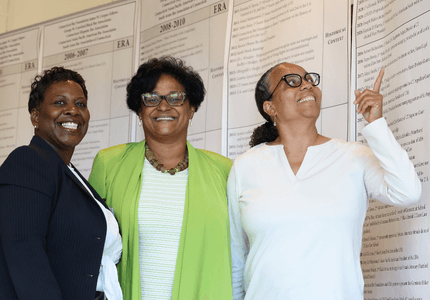
This committee works to highlight, preserve, and celebrate the rich history of attorneys of color in Connecticut, and to inspire future generations. The committee meets throughout the year; current projects include capturing the stories of attorneys of color on video, publicizing their work on social media, and sharing the updated historical timeline created for their 2022 symposium. They welcome new members to help with these dynamic and diverse projects.
-
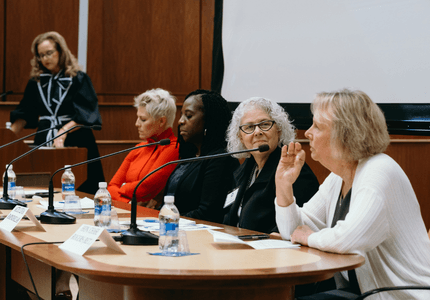
In 1999, this committee initiated the Oral History of Connecticut Women in the Legal Profession Project, to create a permanent video, audio, and photographic historical record of milestone achievements of women as they have become more visible and achieved prominence in the field of law. Currently, the committee is working to grow the number of stories captured in the archive, develop new ways to share these stories, and continue to highlight the achievements of female lawyers and the barriers to their full participation that persist in the legal profession today. This committee runs year round.
-
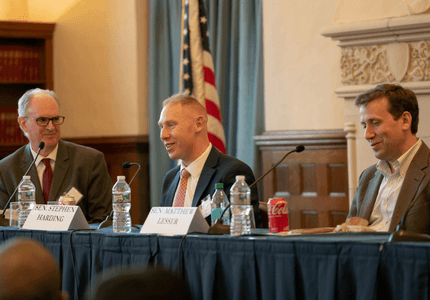
This committee aims to explore issues related to legal aid in Connecticut; it examines both its history and current issues impacting legal services locally and nationally, and offers a vision for the future. CBF has also recorded interviews of Connecticut's legal aid pioneers as part of a larger project to capture the history and important milestones of the legal aid movement in Connecticut. Plans for a future symposium are now in the beginning stages of development.
-
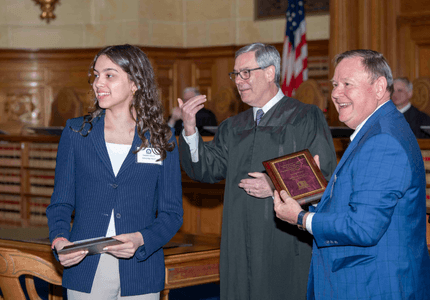
Join this committee to help craft the essay topic fact pattern in late summer/early fall; student essays are submitted until late winter, at which time all Fellows may participate as contest judges. Winners are recognized at an awards ceremony held at the Connecticut Supreme Court in June. With a modest time commitment, committee involvement is especially attractive for those interested in current events with legal overtones of interest to teenagers and young adults.
-
"Following the Fellows" is a digital newsletter which takes a deep dive into topics of recent programs, features the work of our talented Fellows, and highlights CBF's legal service grantees. Fellows are welcome to come on board to help plan and edit the newsletter, solicit articles, or pen one themselves!
Getting Involved
Fill out the form on the left to join a program committee!
As a Fellow, you can join our programming in ways big and small, depending on your interests and available time.
Joining a committee can include:
- Attending periodic meetings
- Spearheading the production of a new or existing program
- Presenting and developing new components for existing projects
Fellows who have been involved with CBF programs have found the experience worthwhile, educational, and fulfilling, and have created new friendships and networks that remain long after the program concludes. Fellows acquire a deeper understanding of the topic through their participation. Some programs have even instigated meaningful changes to Connecticut law or policy, providing a sustained benefit to residents.
The time needed to plan a program is as much or as little as a Fellow wants to give. Developing a program involves approximately 2-4 hours per month until it is presented. If you join a development team, you need not speak at the event unless you choose to; you should feel free to join a committee simply to share your ideas about the topic, speakers, or format.
Fellows Education and Program Committee
The Fellows Education and Program Committee (FEPC) supports activities and programs addressing matters concerning the legal profession, the administration of justice, and the role of law in society. In this capacity, FEPC functions as a steering committee, coordinator, and sounding board, overseeing all of the Fellows programming.
The committee meets approximately four times a year to review current programs, and discuss ideas for new content. The committee is comprised of representatives from all CBF Fellows committees and programs, as well as any Fellows interested in helping guide the direction of Fellows projects. Meetings are open for all Fellows to attend with invitation details emailed. We hope you'll join us!
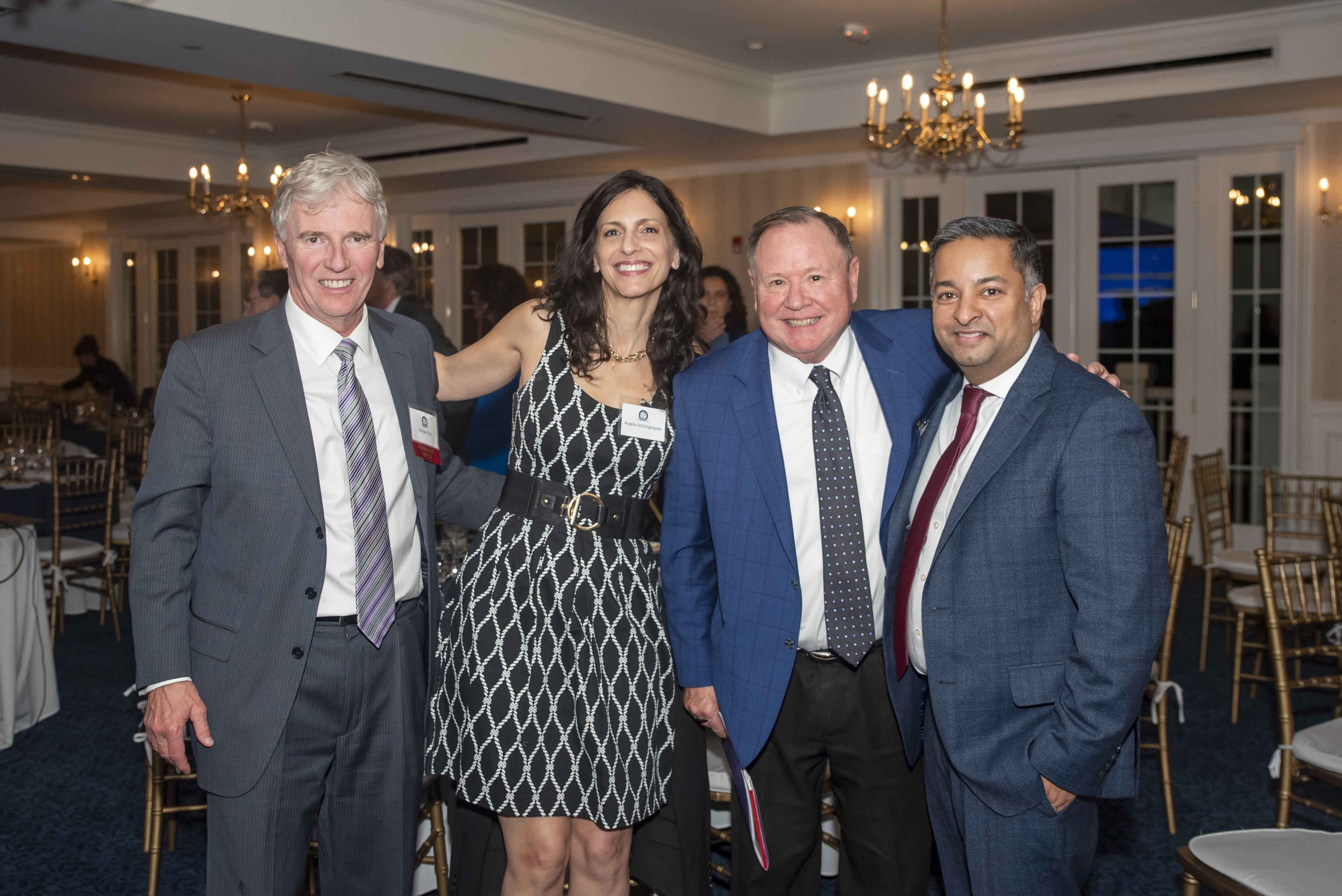
Pictured L-R: William S. Fish, Jr., Catherine Roraback Fellow; Angela Schlingheyde, Executive Director of CBF; Hon. Barry Armata, CT Superior Court and Chair of the James W. Cooper Fellows Program; and Hon. Cecil Thomas, CT Superior Court and Chair of the Fellows Education and Program Committee.
