


Celebrating the remarkable achievements of Fellows who have made significant contributions to the legal profession while also playing a pivotal role in advancing CBF’s mission of ensuring access to civil justice for all.
-
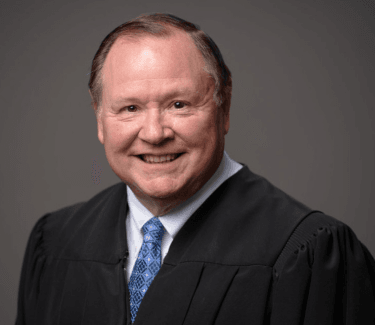
Hon. Barry F. Armata
Why did you choose the legal profession as a career?
I chose the legal profession to help people. I enjoy writing and reading, as well as learning about other people. Having acquired my BA in Sociology at Boston College, the study of people and trends I studied aligned with a legal career.What do you enjoy most about being an attorney?
I enjoy helping people resolve their problems and getting them to a solution. I find it fascinating to tap into an age-old legal profession that is always changing. Although we have precedent we rely on, there are always new cases that we need to adapt to, aligning the old and the new. I love my colleagues, clients, and being part of a larger legal community.What is the biggest challenge you have faced in the legal profession?
The biggest challenges I have faced in the legal profession is balancing my work and personal life, as well as balancing expectations of my clients. I also find it difficult to find time to think about what I am doing. As a family judge, I am always trying to find solutions to cases as fast as I can. There is little time to reflect on one’s action because there is a constant need to get things done.What do you like most about Connecticut?
I like Connecticut's political philosophy. I’m glad I’m in a state that’s very free in terms of thinking and appreciates diversity of ideas and cultures. I also enjoy living between Boston and New York, Connecticut’s diverse geography that ranges from beaches to mountains, and the four seasons.What community service projects have you participated in and are proud of?
I was on my town’s juvenile review board, helping kids who committed crimes by putting together members of the community to engage and talk with them. I also created the James W. Cooper Fellows Roundtables which is where Fellows will have dinners and talk about a topic in the backroom of a restaurant. We’ve done about 75 of them, discussing topics ranging from free speech, immigration, mental health, transgender, exiting and entering the legal profession, and more. I feel proud to take part in creating a forum of learning and discussion through these Roundtables.Why is the Fellows Program special to you?
The Fellows Program is so special to me because I had a judge who said, “I see something in you and you deserve to be a Fellow – would you apply?” The Fellows I’ve met have been inspirational and aspirational. They’re incredible people in their various crafts, and I’m very proud to belong and be associated with such an amazing group.Please share a favorite Fellows-related memory.
I was in-charge of a two-day seminar program that discussed opioids, where people would create committees during that year and then present their findings. The first day was incredible because as part of the learning experience I weaved in storytellers. At every break we had someone tell a story – someone who lost a family member to opioids, an addict, and a first-responder. They told their stories which made it very personalized. I loved working with US Attorney Vanessa Avery, Judge Cecil Thomas, Chief Justice Richard Robinson, and Maria Kahn who’s on the Second Circuit who helped put together the inaugural event for the Constance Baker Motley Series. Being in the room and having conversations with these people was mind-blowing and eye-opening.What do you hope for the future of the Fellows Program?
I would just like these programs to keep going, whatever the topic is to keep things going. The discussions we have even help formulate paths to pass laws. -
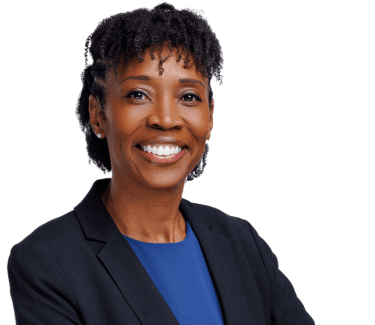
Vanessa R. Avery
Why did you choose the legal profession as a career?
My mother was the one who planted the seed for me to think about law school. I originally thought I was going to work in corporate finance or become an actuary – something that had to do with math since that was my favorite subject in high school. At the end of college, I thought I would go into teaching and education. My mom inspired me to go law school because she knew that I wanted to find a career where I could have some impact on the world, leave my mark, and build a legacy, especially as someone coming from humble beginnings. I viewed law as a way to give back to the people in my community and my own family.What do you enjoy most about being an attorney?
I love being the master of my own career. A law degree allows you time to figure out what you want to do with your life based on what drives you the most. There are so many different things you can do with a law degree. I value the variety that comes with having a law degree.What is the biggest challenge you have faced in the legal profession?
The biggest challenge for me is not necessarily about practicing law, but making sure I can strike the right balance between the homefront and working in my legal profession. I am a wife, mother, sister, and aunt. Family and the work I do in the community outside of the office is very important. I feel like I have found the right balance over the course of time, but in the beginning it was definitely a challenge because the profession is so demanding.What do you like most about Connecticut?
I love Connecticut, it’s home! I was born in New Haven and spent most of my entire life in Connecticut, it’s the best. Although it’s a small state geographically, we have a little bit of everything here – top universities, top corporations, government, military, close proximity to NYC and Boston, and more. It’s hard to think about what we don’t have! Connecticut is also a very family-oriented place. We have great towns, school systems, police and law enforcement. It’s also a great place to practice law as an attorney. The Connecticut Bar Foundation community is a very supportive community of attorneys.What community service projects have you participated in and are proud of?
First, I am very grateful to have been and continue to be involved with my sorority – Alpha Kappa Alpha – I joined as an undergraduate at Yale. It is an international service sorority with both graduate and undergraduate members, also serving as a lifelong commitment. I joined the sorority because of its commitment to community service. Being at Yale allowed me to give back to my home community in New Haven in a way that people had contributed to the community when I was a student. I joined the US Grant Foundation at Yale which works as an after-school summer enrichment program for New Haven students in math, writing, and other subjects that public school curriculums don’t necessarily offer. When I became a student at Yale, I was a teacher in the program that I had once been a middle school and high school student in, so that was one of the really nice ways that I was able to get involved. Through the sorority, I was also able to do lots of different types of volunteering through soup kitchens, helping with the local HeadStart Program, and partnering with other like-minded students who valued community service. In my role as US attorney, one of the things I was able to bring to the office was our community engagement. I helped ensure that, when we look at how we address crime in Connecticut, it’s not just about investigating and prosecuting cases, but also going into schools and educating students on crime. We partner with parents who lost children to violence, opioids, and overdoses, as well as law enforcement so they can come in and tell their personal stories and make an impact.Why is the Fellows Program special to you?
The Fellows Program has been tremendous! Through the foundation, we are able to educate other attorneys, law students, and judges about different topics. Before I became a part of the Fellows, I was able to contribute to some of those presentations and seminars. I was struck by the Fellows community, all of whom volunteer additional time to give back to the community and teach others. On top of education, the Fellows raise money for legal services, helping to finance nonprofits. These legal services and agencies are focused on providing services to low income, but they can only provide as many services as they have resources. I love that the foundation helps provide funds for these causes. Lastly, I love the people in the Fellows! Each of them are so accomplished in their own right who are willing to do such important work in a volunteer way. People like judges, justices, and law school deans who have very busy schedules set aside several hours of their time every month to make sure that people in need are able to acquire these crucial and necessary services. All of these reasons and more make the Fellows program so special.Please share any favorite Fellows-related memory.
One of my favorite Fellows programs is the Constance Baker Motley Series. It was born during the pandemic, shortly after George Floyld’s killing and right when we were in the midst of this national reckoning on race and justice. Being able to come together as a community with other great people who I love and respect, albeit virtually, was an amazing experience. It felt special to create something that is now self-sustaining and will continue for years to come. Another memory I have with the Fellows is the creation of the History Project for Attorneys of Color in 2012 in Connecticut. It included people from all different backgrounds, resulting in a diverse collective of attorneys and judges who are running and leading the foundation’s work. I think we take for granted the diversity and collaboration we have in Connecticut, but it doesn't exist everywhere. We were able to celebrate, document, and collectively lift up this diversity with a series of panels and a full-day symposium. I was proud to be one of the co-chairs of that program at the time and help with all the behind-the-scenes work. These are just two programs and memories that popped into my head at first because there are so many other events and people who make the Fellows so special.What do you hope for the future of the Fellows Program?
My vision for the future is that we will continue to solicit new ideas in a way that allows newer Fellows to feel empowered to bring their ideas to the fold. I consider myself to be on the younger side, yet I wouldn’t want to foreclose some of the more cutting-edge ideas coming from people who have graduated much more recently than myself. For instance, newer generations are much more technologically proficient. I would love to see the Connecticut Bar Foundation and Fellows Program take advantage of technology in order to rise to the next level. -
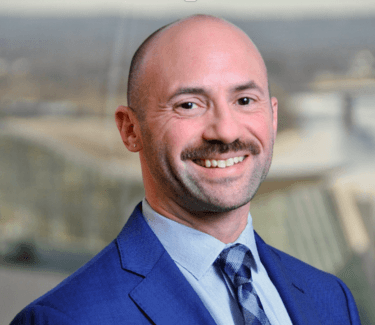
Beck Fineman
Why did you choose the legal profession as a career?
This is a hard question to answer. I’ve wanted to become a lawyer since I was six years old when I first learned what being a lawyer was all about. It just clicked.What do you enjoy most about being an attorney?
I find it very fulfilling to be in a position to help people solve real problems in their lives. I love the work being an attorney entails from the research, arguing in court, working with other lawyers, and so on. I also like that this career always gives me the opportunity to learn something new.What is the biggest challenge you have faced in the legal profession?
The biggest challenge comes from other lawyers. It’s unfortunate, but I’ll sometimes encounter lawyers who won’t follow the rules. To solve this issue, I ensure that I’m always following the rules even if my adversary is not, as well as preparing my clients.What do you like most about Connecticut?
I grew up outside the DC area and went to law school in Maryland. I moved to Connecticut for a job, but wasn’t convinced I would stay. I stayed because Connecticut offers a really exciting mix of different experiences. I feel that each city in Connecticut is completely different from the other. I also feel very fortunate to have landed in a state that’s very good at protecting people’s rights, especially as a trans person.What community service projects have you participated in and are proud of?
For the last seven years, I’ve been on the board of directors for an organization called Family Equality – a family-focused non-profit to support LGBTQ families. I’m also very proud of having started a volunteer organization through my last firm. We teamed up with nearby organizations and helped sort clothes for clothing donations, as well as plant gardens in the community. I found the local aspect of this organization to be particularly fulfilling.Why is the Fellows Program special to you?
The Fellows program provides opportunities to gather in real-time (which is something unique and hard to come by these days) with other legal professionals. We talk about how the law impacts different people in different ways and how we can make a positive impact. The Fellows program has opened my eyes to issues I hadn’t been exposed to before. I get to learn something new alongside colleagues who are just as interested in learning. The Fellows does a great job of fostering a sense of being both a lawyer and a citizen at the same time.Please share any favorite Fellows-related memory.
All of the Roundtables I’ve participated in have been so rewarding. The most recent panel I served on was about transgender experiences. It occurred two days after the election. It was amazing to have the chance to come together as a legal family and have this important discussion, especially during this particular moment in time. Roundtables are also awesome because you get to sit with judges, which is especially special for practicing lawyers. There’s no power dynamic or formalities at play whatsoever during these Roundtables.What do you hope for the future of the Fellows Program?
The Fellows program has an important role of shining a light on the importance of the rule of law in our democracy. They help show how fragile our democracy is when we take that for granted. I would love to work with other Fellows to keep the topic of the rule of law central. After all, as lawyers, we have an obligation to stand up for the rule of law.Is there a fun fact about yourself that you would care to share with other Fellows?
I love to bake and my signature dish is a chocolate cinnamon babka. -
Peter Arakas
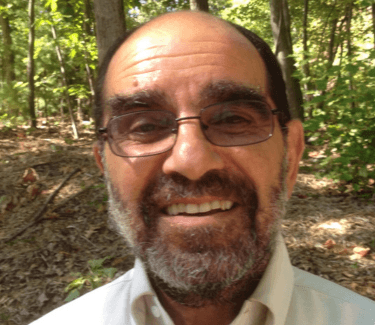
Why did you choose the legal profession as a career?
I initially chose another profession, coming to Connecticut to attend UCONN school of social work, practicing it for 8 years. The last job I had as a social worker was running an adoption program in New Britain. I was feeling like I wanted to do something that used a different part of my brain than social work was using. Lawyers were calling me about adoption, asking for advice and thought that I could do what attorneys were asking about.What do you enjoy most about being an attorney?
I enjoy the problem solving aspect in my legal career, as well as working with clients. I’ve always liked puzzles and the law is a lot about figuring out solutions to difficult issues.What is the biggest challenge you have faced in the legal profession?
After law school, I clerked for a federal district court judge for two years. Then I worked for an insurance company for five years which was great training. I was assigned a project and came to the conclusion that what the client wanted to do was not legal. My supervisor at the time put pressure on me to come to a different conclusion, which was a very tense situation. It was challenging to go against my supervisor but, at the end of the day, sticking with my beliefs and conclusion was worth it. I had to stand up for what I believed was right.What do you like most about Connecticut?
I love Connecticut's beauty except for January-March, but it’s really a beautiful place to live during the rest of the year. The fall has been spectacular, and I love the many hiking trails.What community service projects have you participated in and are proud of?
My time as President of the Connecticut Bar Foundation was especially fulfilling and rewarding. I also served as Chair for Connecticut Voices for Children located in New Haven, a policy research group that looks at economic and legal issues that affect kids. I am most proud of the work I accomplished by representing kids in abuse and neglect cases.Why is the Fellows Program special to you?
I took to the Fellows because it promoted volunteerism which I believe is very important, especially for lawyers. I was asked to become a Fellow sometime around ‘04 or ‘05 – at that time, the Fellows began their annual high school essay context. I was the first chair of this contest and it’s been really rewarding to see this continue over the years.Please share any favorite Fellows-related memory.
The Annual Fellows meetings are always great events because it’s a chance to catch up and meet with people I rarely see. I was most involved and passionate about the Truancy Intervention Project that began sometime in 2006 or 2007. We got volunteer lawyers to agree to mentor and advocate for a child that was having truancy issues in school with the town of New Britain, Connecticut. We designed a program of volunteers working one-on-one with kids, serving as role models for them. The volunteer would be both a mentor and advocate, figuring out what was happening to cause the truancies. I took one of the first kids and one of the issues was that the boy’s mother was suffering from cancer. He would have to stay home and care for her in the morning until an aid came in later to assist. After that, he ended up having close to perfect attendance, and I saw him until he had his second child.What do you hope for the future of the Fellows Program?
I would love for the Fellows to re-start up the Truancy Intervention Project again, acquiring proper funding and administrative support for it. I still think that the education programs the Fellows are currently implementing have been great, and I believe that they should continue doing them.Is there a fun fact about yourself that you would care to share with other Fellows?
Back in junior high school, my gym locker was right next to Billy Joel’s. -
Hon. Anne C. Dranginis
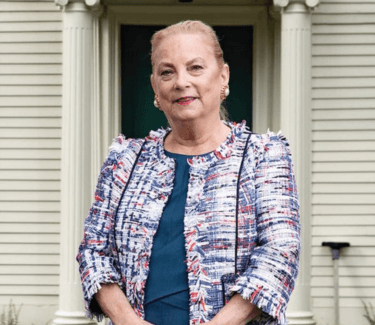
Why did you choose the legal profession as a career?
My mother was a teacher and encouraged me to attend law school. I worked in Robert Kennedy’s senate office in NYC. I worked on constituent letters and research, and my employees encouraged me to apply to law school and so I did. I ended up attending the UCONN law school. At the time, female attendance at law school was still very low, and I was a minority. The main reason why I decided to pursue law school was because I saw the law as a way to work through a central message Robert Kenendy taught me: that all institutions are imperfect, always needing to be reviewed and improved. He said that the best way to improve institutions was from within. I took this message to heart.What do you enjoy most about being an attorney?
I’ve had a lot of great experiences as a judge. One time, I had a thirteen week homicide case, written about in the New York magazine. My name was on the front cover of the New York Times, a case involving two Columbia medical students in Litchfield County. As a judge, I’ve had many great opportunities to oversee cases that were a first impression of some political and public interest.What is the biggest challenge you have faced in the legal profession?
There was a case where I didn’t like the law, namely the death policy. The most difficult thing I’ve had to do as a judge is to sentence people, particularly people who commit crimes such as drunk driving homicide cases. They didn’t have real criminal intent. I remember a young man who was driving with his best friend and the friend died and he didn’t. Both mothers were in the courtroom holding on to each other. There was another case with pretty compelling evidence of a man killing a woman. The man was an African American veteran, and I ended up giving him 52-55 years in prison, even though I felt that serving as a veteran should decrease the time. I’ve always had my own opinion in cases, but sometimes I cannot exercise or act upon that opinion. I’ve always paid attention to what the law required. One main challenge I’ve confronted is simply practicing criminal prosecution as a woman.What do you like most about Connecticut?
What’s not to like about Connecticut? We have great skiing locations, a close proximity to NYC, the ocean, mountains, beautiful surroundings, a well-educated citizenry, and it’s always been home to me as a native of Connecticut.What community service projects have you participated in and are proud of?
I served as chair to a judicial branch committee. The purpose of the committee is to test the new bar exam. It’s a really good test to determine minimal competence to get admitted to the bar. In my judicial career, I was on a board which ensured that money designated to certain charities were properly receiving the funding. I was also a member of the Connecticut Prison Association, an organization which has been in existence for a long time, nearly 150 years. Mark Twain was even on it at one point.Why is the Fellows Program special to you?
The Fellows do a great job of covering current issues quickly in a way where people are educated about legal theory. The program serves an important role in keeping Connecticut lawyers highly educated about current events and challenges. I served on the Cooper Fellows board for a while. When I was Chief Family Judge, we put on a big conference and it was hugely attended, in the mid 90s and that was definitely one highlight of my time with the Fellows.Please share any favorite Fellows-related memory.
The Fellows are doing a great job of ensuring our rule of law is being protected. There is always something interesting going on with the Fellows, whether it be a discussion or panel about a given issue or topic. They often host conferences providing access to justice, helping to educate people on current issues. The Fellows are very great at talking about something difficult in a productive way and enhance understanding. -
Francis J. Brady
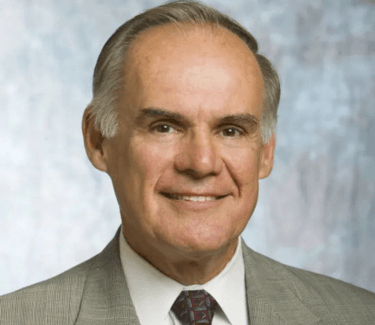
Why did you choose the legal profession as a career?
First of all, I went to school as an engineer and was an engineer for a few years. It was not as rewarding as I thought it would be, so I went to law school instead. It was a pretty easy switch to go from engineering to law because engineering requires such demanding education. Law school was a piece of cake compared to engineering. I’m retired now, but I enjoyed and was very satisfied with the legal profession. I went to George Washington University and then Harvard Law School, then ended up in Hartford to pursue my career in law.What do you enjoy most about being an attorney?
I liked the challenges that came with my legal profession. I was a corporate litigator, which is different from the average litigator. We would build and solve big cases that would last for years, sort of like in engineering which consisted of putting together different pieces. There were very competent lawyers on the other side where we would usually maintain a respectful manner among adversaries, especially in Connecticut. There’s a lot of intellectual combat at the highest level which I enjoyed very much. There were some successes, some defeats like playing a ballgame. Law is about doing the best you can and hoping your side prevails.What is the biggest challenge you have faced in the legal profession?
I was mayor of my town for three years and it was always challenging to determine who to endorse the governorship to. Speaking in court always comes with its own difficulties as well.What do you like most about Connecticut?
Connecticut is a lovely little state. Due to its smaller size, you can really make a difference in your community which is very rewarding. Even though you can have the benefit of a big sophisticated practice, yet at night you can go to a town meeting and be on the town council and make a real contribution. People look up to you, which is an opportunity most professions don’t have. If you go to NYC and work at a big firm, you can become successful and make a lot of money but it’s not always the most rewarding because you often get lost in the cause of a big city. In a smaller and more personable city like New Haven or Hartford, you have the opportunity to make a dent in your community.What community service projects have you participated in and are proud of?
I was mayor of my town for three years. You don’t get paid, so it’s a volunteer job. I had a lot of responsibility and authority and it felt rewarding to be able to affect my community for the good. Moreover, every town in Connecticut has a charter and every ten years you have to revise the charter, which is like the constitution. I’ve revised the charter with other people about five times, equivalent to serving this position for about fifty years. As president of the CBA, I worked with the Fellows to put on programs about rules of law. I also worked with veterans in Connecticut by serving on the Veterans and Military Affairs committee while serving as president of the CBA.Why is the Fellows Program special to you?
The Fellows program is a very close-knit community. I was president of the CBA at one point, so we often worked closely together with the Fellows. The Fellows put on many intellectual programs, while the CBA put on Connecticut legal education aid programs. The Fellows have a great staff of volunteers, doing a fantastic job with recruiting speakers. I believe that the Fellows Program has done something very worthwhile, serving as an avenue for attorneys and judges in Connecticut to take a break from their profession and do something more intellectually-oriented. What’s so great about the Fellows is that it is a program you can really only do effectively in a small state such as Connecticut.Please share any favorite Fellows-related memory.
I haven’t been very active with the Fellows, although a great organization, because it requires the allocation of a lot of time. Nonetheless, I have fond memories of serving on a committee with Barry Armata, now a judge. I also played an important role with programs that worked with both the CBA and the Fellows, namely Rule of Law which I mentioned before.What do you hope for the future of the Fellows Program?
My vision for the Fellows Program is that they continue what they’re already doing and continue to develop programs. The Fellows is a vibrant community, and I hope they continue to recruit leaders who are interested. -
Hon. Juliett L. Crawford (JTR)
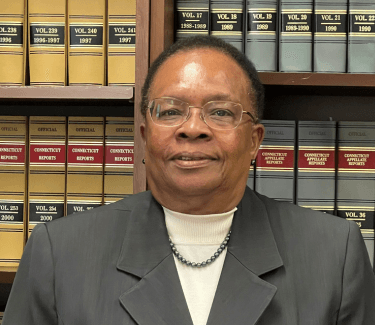
What inspired your interest in pursuing a career in the legal profession?
My interest in politics was a big part of why I got into the legal profession. When I was a teenager in Barbados, my godfather, who was a dentist, was very involved in politics and he used to take me and his daughter to political rallies. Although at that time, a woman in politics was unheard of, I was fascinated by it. Additionally, I always liked to argue with everyone about everything!In the 1970’s I lobbied at the state capital primarily on securing protections for the rights of gay individuals in the workplace. (It took twenty years for the first bill to be enacted and Connecticut continues to improve and expand those rights). I also worked as a claims representative at the social security administration, where I made determinations as to whether people met the legal requirements for disability, retirement, or survivors’ benefits.
My first job out of law school was in Washington D.C. as a legislative assistant to then Senator Weicker after being an intern the previous summer. I worked on issues including civil and reproductive rights and responded to constituents’ concerns. Through these experiences I developed a deep appreciation for the connection between the law and how it impacts people’s lives.
What do you enjoy most about being a judge?
I like the responsibility of being “the neutral and detached magistrate” where you have an obligation to be impartial and listen to both sides. I like making sure that those who appear before me can present their side to someone who is listening, applying the law, and trying to be fair. Our decisions have an impact on everyone, whether it’s in civil or criminal court.I also enjoy the knowledge you acquire along the way and the ability to pass it on to others as a Trial Practice Instructor at Yale Law School, a role model and a mentor.
What are the biggest challenges you have faced in your professional career?
As a prosecutor there is a responsibility to be more than an advocate. You must look at the evidence and decide if there is a crime, for example—some conduct might have been offensive, or even have devastating consequences, like death but there was no crime under the law. That was always a challenge, especially when you have to explain the legal process to victims and why no criminal charges could be brought.As a judge, you must always be mindful of faithfully executing the law. One of the biggest related challenges is to keep abreast of the changes in the law. Fortunately, this is not an insurmountable challenge.
What do you like about living in Connecticut?
I like the size of Connecticut, especially coming from Barbados, a small island at 166 square miles. D.C. and New York City were too big for me. I don’t like winter, but I just wear a lot of layers. I enjoy the other three seasons, especially summer.I also like Connecticut’s legal community and the structure of its legal system. I like that judges (excluding probate) are appointed and not elected, because not having to run a political campaign is a plus and it keeps politics out of the courts.
Most of all though, I like basketball! I’m a season ticket holder to the Connecticut Sun (annual birthday present) and UCONN women (annual Christmas present). I played netball in high school, which is similar to basketball, and is played in Barbados, England, and other places around the world.
What community service projects have you participated in and are proud of?
I’ve been a longtime volunteer for Kids Court and Kid’s Court Academy, a program sponsored by CHRO. It’s a pipeline program to help the youth develop an interest in civics and the legal profession. The program includes students writing about various topics, such as lead in the water in Flint, Michigan and then they present and defend what they wrote to a panel of judges. I’m just amazed at where the students are in terms of their analyses and offering solutions to identified problems.I’ve also volunteered with the Truancy Intervention Program at the Burr Elementary School in Hartford. I met with the students individually, helped identify their issues, (a lot of which were minor) and developed the changes needed. The students would then work with the coordinator to make the changes, which led to improvements in their attendance and grades.
I’m proud to have been involved with the Connecticut Women’s Education and Legal Fund (CWEALF) where I served as the President of the Board of Directors and I’ve also helped with various mock trials and moot court competitions at the law schools.
Why is the CBF Fellows Program special to you?
I like all of the different ideas that come out of the Fellows Education and Program Committee. I’m always amazed at the quality of the many symposia and the commitment the members have to improving legal services in Connecticut.The Fellows are in different areas of practice, which allows us to bring different perspectives to the programs. That varied experience allows us to broaden our scope and/or “walk a mile in someone else’s shoes.” It allows us to have a broader perspective in analyzing and understanding the impact on a wide range of topics and present high-quality programs.
What has been one of your favorite Fellows programs?
In 2012, I co-chaired with Vanessa Avery the symposium titled the History of Attorneys of Color. This highlighted the accomplishments of minority attorneys in and from Connecticut. Bill Logue prepared a historical timeline which included nationwide historical events. The idea continues in phase two with the History of Attorneys of Color Committee, chaired by Judge Robyn Johnson. They are working on oral histories and a video will premier in 2026.The other program I really like is the History of Connecticut Women in the Legal Profession, particularly the Women in Black portraits. [Photographer] Isabel Chenoweth has done an amazing job. I was one of the early portraits, back in 2002, and it’s been incredible to see the growth of the number of women who are now on the bench. Isabel started by doing individual portraits and now she’s creating a group portrait of each new class of women judges.
What do you hope for the future of the Fellows Program?
It's my hope that the Fellows continue to increase the membership, that people stay involved, and maintain the diversity and variety in programs. Members offer such different ideas and even if a project starts small, it can grow and add so much to the community. That's how you make progress—by inviting people in and letting them highlight what's important to them.Why is the rule of law important in our society?
It’s always been important, and the Fellows have a role in keeping it that way. As members of the legal profession, we understand and appreciate that the rule of law is what governs us and sets us apart and we must always be vigilant about it. One of the things we must do is to continue to educate people about our laws and legal system. I find sometimes in our discussions and presentations everyone is not talking about the same thing. The Fellows programs have an important role here to provide the same basic information so that the facts are the same and we can then offer our different opinion of those facts.I’ve been a teacher, a tutor, and I have family members who are teachers. One of the things I think would be helpful would be a program in each state like Sandra Day O’Connor’s online civics program. I’d like to see that adapted and incorporated at the high school level to help teach students about the structures that were put in place to try to get us to a more perfect union—the good, the bad, and the ugly.
Are there any fun facts you'd like to share with the Fellows?
One of my idols is Justice Joette Katz (Life Fellow!), who was named as an Honoree to the Connecticut Women’s Hall of Fame in 2011. In 2017, I was also named an Honoree by the same organization, so it was quite a compliment to follow in her footsteps.Another fun fact is about growing up in Barbados and some of the influences that came from England as it used to be a British colony. I have a grand-niece and a spouse who are obsessed with the very English Harry Potter series, but the only thing I understand about those stories is that the students at Hogwarts are assigned to houses named after famous wizards, and some, like Hermione and Ron were Prefects, which is like a boss of the class. Barbados, which at one time was called “Little England,” similarly structured its schools. When I was in high school, I was in a house named after the warrior queen Boadicea, and I was also a Prefect…and I played netball – I definitely did not play quidditch!
Note: A prior version of this interview was released without editing or review and contained errors. CBF apologizes for this oversight.
-
William H. Clendenen Jr.
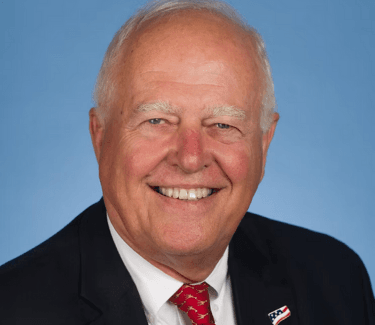
Why did you choose the legal profession as a career?
I chose the legal profession as a career because of my mother, she was my inspiration. I considered being a history professor, but history was never entirely “my thing.” I attended Providence College for my undergraduate, majoring in history and thomistic philosophy. I loved the mind games in philosophy and it’s helped me a lot as a lawyer.What do you enjoy most about being an attorney?
I like people. What I like about being a lawyer is working with people, who often reach out to you when they’re in trouble. People let you inside their lives, asking you to help them work through their problems. Having people trust you is a gift. I also like being in the courtroom, it’s a lot of fun. To be on your feet, thinking, using your mind, reacting, and interacting with the jury and the judge is an exciting challenge. I’ve been an attorney for over fifty years and love it.What is the biggest challenge you have faced in the legal profession?
The biggest challenge I’ve faced in the legal profession is learning the profession. It’s an ongoing learning experience. When people ask me why I’m still practicing law, I joke and tell them that law is exactly that – practice – meaning I haven’t gotten it right yet. In law school, I met a man who was a priest, Father Albert Brodrick, who inspired me to work in legal services for poor people. It was a challenge. After I graduated, there were the riots in DC that burned down the whole neighborhood I had helped. I received a fellowship from UPenn law to learn poverty law, ending up in New Haven where I worked with farm workers in Fresno, California. The challenge is helping people who are basically helpless, at least economically. It’s not always possible to succeed. These projects fail as often as we succeed. You don’t learn a lot from success, but you do from failure.What do you like most about Connecticut?
I was born and raised in Connecticut, spending most of my time here. I love Connecticut, it’s a nice place to be. I’ve met some great people and the opportunities to practice law in New Haven were really exciting. Yale Law School set a great tone here and we’ve had the benefit of wonderful judges and court systems.Please share any favorite Fellows-related memory.
My friend Judge Raymond Norco and I developed the Fellows Program to support legal services for economically disadvantaged people. We faced initial resistance from the organized bar but persisted in creating a program that would provide access to justice for all. The Fellows was established to address the lack of access to legal services for low-income individuals in Connecticut. The Fellows achieved much success in changing the legal landscape, particularly through landmark cases like Bodhi v. Connecticut, which eliminated filing fees for poor people, and Frederick v. Force, which expanded access to legal representation. The Fellows has continued to grow over these past thirty years, culminating in a 2017 task force that secured $20 million in funding for access to justice initiatives. I’ve met so many great and talented people who are Fellows. It’s truly incredible to see leading attorneys and judges, an “army” of sorts, to join together and help those who are in need of legal services. The Fellows is a template for the future, it is a legacy that must continue.What do you hope for the future of the Fellows Program?
I would like the Fellows to ensure that no economically disadvantaged person in Connecticut is denied access to a lawyer when they have to go to court. That’s my hope. The courts should be open to everyone, no matter economic status. That would ensure race, ethnicity, sex, and condition are not taken advantage of. I believe we, as lawyers and Fellows, can work towards this goal.Is there a fun fact about yourself that you would care to share with other Fellows?
When I was president of the Connecticut Bar Foundation, I took down my old photo which was of me riding an elephant in Thailand. -
Hon. Jane K. Grossman
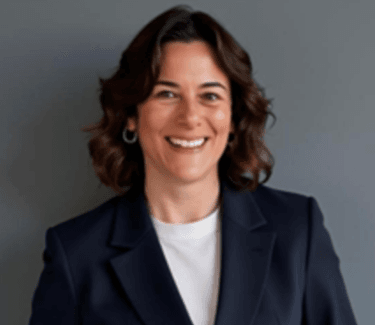
Why did you choose the legal profession as a career?
I chose to pursue law as a way to drive meaningful change. My interest in reproductive rights led me to work for Planned Parenthood between college and law school. At the time, abortion rights were under intense scrutiny, and that debate became a turning point for me—it reinforced my belief that the law could be a powerful tool for change.What do you enjoy most about being an attorney?
Serving as a trial judge is a unique balance of engaging with people—ensuring that even small legal matters are handled with care and respect—while also being deeply analytical, interpreting and applying the law. It combines the human element of the profession with an intellectual challenge.What is the biggest challenge you have faced in the legal profession?
When you first become a judge, it can be daunting to stand in front of a courtroom knowing that all eyes are on you. One of the biggest responsibilities is maintaining consistency—every similar case must be handled in the same way to ensure fairness. Today, one of the most pressing challenges is the decline in public trust and respect for the judiciary.What do you like most about Connecticut?
Though I’m originally from New York, I appreciate Connecticut’s mix of coastal and rural landscapes. The state’s small legal community is also an asset—you often cross paths with the same people, which fosters a strong professional network. With only 200 judges in the state, the legal field feels both intimate and interconnected.What community service projects have you participated in and are proud of?
Before becoming a judge, I spent a decade as a legal aid lawyer, which was deeply rooted in community service—work that I found incredibly fulfilling. After joining the bench, certain restrictions limited the kinds of advocacy I could engage in, but I remained involved through committees and commissions. During the COVID-19 pandemic, I volunteered with the Downtown Evening Soup Kitchen in New Haven. Currently, I chair the Singer Fellowship through the Connecticut Bar Foundation, which supports new lawyers with innovative ideas, and I love being part of that effort.Why is the Fellows Program special to you?
The Fellows play a crucial but often unseen role in Connecticut’s legal community. It’s a network of like-minded professionals who share a commitment to justice and legal service. Given how small Connecticut’s legal field is, I appreciate the opportunity to connect with colleagues who are equally passionate about these issues. The Fellows are full of great ideas—our biggest challenge is simply finding the time and resources to bring them all to life.Please share any favorite Fellows-related memory.
One of the most rewarding aspects of my involvement with the Fellows is the Singer Fellowship. Interviewing applicants is always a highlight, but the best part is telling someone they’ve been awarded the fellowship. It’s a privilege to see young lawyers get the support they need to launch a project that aligns with their vision and passion for the legal field.What do you hope for the future of the Fellows Program?
Looking ahead, I see the Fellows taking a leading role in advancing the idea of civil Gideon—the right to legal counsel in civil cases, not just in criminal matters. Expanding access to legal representation in this way would be a significant step toward justice for all.Is there a fun fact about yourself that you would care to share with other Fellows?
Between college and law school I lived in New Haven and worked three jobs to make ends meet. One of those jobs was the late shift at Ashley’s Ice Cream on York Street; scooping cones until 2:00am for the last-call crowds from Toad’s Place and Rudy’s. -
Prof. Timothy S. Fisher
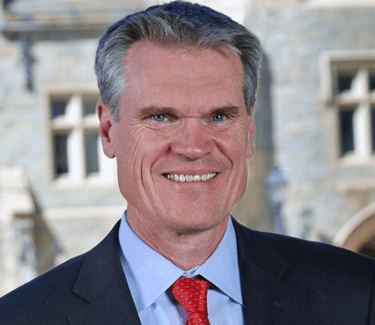
Why did you choose the legal profession as a career?
I view the law as a great engine of social change. It’s the most reliable way to protect weak and vulnerable people from abuse and to set the country in its proper direction.What do you enjoy most about being an attorney?
I enjoyed two things about my last job, which was Dean at the UConn Law School. One, it was a great place filled with wonderful people and, two, I embraced its mission, which is training the next generation of lawyers and doing so in a way that really resonates with the needs of the public. It’s a tax-payer institution and so many of our public interest and public sector lawyers of Connecticut and from the UConn Law School.What is the biggest challenge you have faced in the legal profession?
I was an unusual candidate to be a Dean of a law school, it’s very rare for someone to be brought in from the private sector. I think that the faculty brought me in because I had a different set of skills from most law professors that might step up to the deanship. While I really knew the Connecticut market and the alumni network, that didn’t mean that I knew what the answers were to the problems that the school faced. I had to figure that out in conjunction with all the people in the school and its outside supporters before I could accomplish things. That was learning an entire new culture in a sense and learning an entire new system of higher education, which I hadn’t done before.What do you like most about Connecticut?
I love the degree to which people are connected with each other in Connecticut. When you do good things, you see the results and your reputation precedes you. By the same token, people who do bad things are aware that word is going to spread. The size of the state contributes to good behavior more than in much bigger states.What community service projects have you participated in and are proud of?
Before the Deanship, the most meaningful thing I had ever done was be president of the Connecticut Bar Foundation (CBF) for three years around 2010. During that period of time, we worked hard on our relationships with our grantee agencies, who are the actual legal aid providers of the state. We established several new programs, including the Judge Kravitz Symposium on Administration of Justice, the Roundtable system led by Judge Armata, and the Connecticut Innocence Fund.Why is the Fellows Program special to you?
The Fellows and the CBF occupy a unique place in Connecticut. CBF has a dual mission: it both supports access to justice through its funding of legal aid, but it’s also a law reform organization. We spend much of our time and energy thinking about how the law works and how it can work better in order to make the rules of law fairly applied to everyone, making society safe and fair. We do this extremely well in Connecticut, and I’m extremely proud of it.Please share any favorite Fellows-related memory.
When I first became a Fellow and I went to the annual reception and I saw who was there, I thought to myself, “These are the people that I feel proud to be among.” They represented to me people who are not just great lawyers, but great believers of justice. That was a powerful image and experience. A favorite incident is when we were starting the Connecticut Innocence Fund, we wanted to work really hard to make it not look like this was an anti-police or anti-prosecution effort, but that it was really a pro-justice effort intended to keep us from convicting innocent people. One of the first things we did was receive donations from the leadership of the state attorney’s office and that told everybody that the prosecutors believe in this just like the defense community does.What do you hope for the future of the Fellows Program?
I love the track the Fellows is on. I’m really pleased that in the years since I was in leadership it has become the go-to organization to manage new programs to provide legal services. In doing so, grants have been arranged to provide funding for the necessary staff to support those programs.Is there a fun fact about yourself that you would care to share with other Fellows?
When I was sixteen in the spring of 1970, a Junior at Hartford High, Martin Luther King’s birthday was not recognized as a holiday yet. There was a walkout at Hartford High, and I joined in because I thought my principles required that I support this. I got suspended from school all week, and I still have the certified mail letter from the principal to my parents regarding my suspension. -
Hon. Cody N. Guarnieri
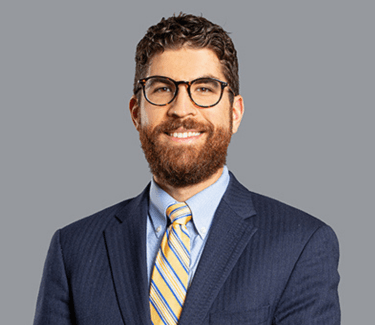
Why did you choose the legal profession as a career?
My focus in law school and as an attorney was geared towards criminal defendants. My interest was in understanding people’s rights, so I could better help people understand and advocate for their positions and rights.What do you enjoy most about being an attorney?
Over the course of my legal career, I began to get a sense of where justice lies. It’s not always the case that litigants are looking for perfect justice. The most fulfilling part of being a judge in my opinion is the opportunity to serve in this “middle” position, whether it’s by serving as the procedural safeguard or as decision maker. My goal is to help litigants find justice and give them the opportunity for justice to happen. In short, it’s very rewarding to be the voice of my community.What is the biggest challenge you have faced in the legal profession?
One of the biggest challenges as a judge is trying to be mindful when finding systems of accountability. As a newer judge assigned to a discipline I hadn’t practiced, I’m very cognizant to ensure that people feel there are opportunities to provide me with feedback. Accountability ensures that everybody feels they are being heard and are fully able to advocate for their positions. No matter what way the court decides, it’s important for people to feel that they have been treated with dignity and respect regardless of the circumstances.What do you like most about Connecticut?
As a life-long Connecticut resident, there’s so much to like about this state since I’ve called it home my entire life.What community service projects have you participated in and are proud of?
I’ve been involved in serving dinners at homeless shelters. When I was in college, I was one of the organizers of one of the homeless shelters in my college town. To this day, through St. Patrick and St. Anthony Church in Hartford, my elementary-aged kids, wife, and I hand out sandwiches to homeless people in Hartford on a recurrent basis. I think it’s important for my kids to see, not that we don’t just make a Christmas donation somewhere, but that we have the opportunity to hand out food to people who need help.Why is the Fellows Program special to you?
I love the educational opportunities that the Fellows program makes available. For instance, I had taken over the Roundtable program from Judge Armata at some point. Having conversations that advance discussions regarding these important issues in the law are very meaningful opportunities. It’s become the nucleus for many other Fellows programs.Please share any favorite Fellows-related memory.
Sometimes the Roundtable program partners with other community organizations. We had a Roundtable a few years ago that had to do with the legal community and gender/sexual orientation. We also had a Roundtable about storytelling in the law, which was incredibly entertaining.What do you hope for the future of the Fellows Program?
The Executive Director of the Connecticut Bar Foundation is relatively new. In my interactions with her, I have nothing but the highest confidence in both the CBF and Fellows program. I think the programs we have are incredible. I love the fact that we are always looking for opportunities to present relevant, engaging, informative, and meaningful educational opportunities. I also believe that it is important for every Fellow to know that they’re a function of past people’s dreams and aspirations. If a current Fellow has a dream they aspire to achieve, they should follow it. -
Hon. Beverly Hodgson
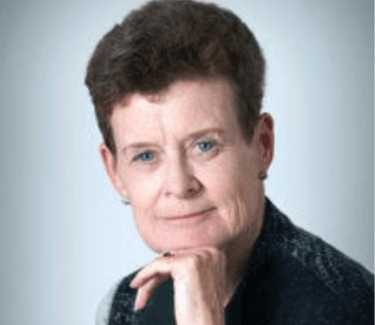
Why did you choose the legal profession as a career?
Growing up in the 1960s, I believed that the best way to promote justice and fairness was to become a lawyer. After graduating from Yale Law School, my first role was as a civil rights attorney. At the time, career opportunities for women were still quite limited. I was initially steered toward teaching, which I did for a short period. However, after a couple of years, I realized that education was not the most effective avenue for creating social change or influencing policy. Law school seemed like the better path. At that time, women made up only 20% of Yale Law School’s student body.What do you enjoy most about being an attorney?
What I valued most about being a judge was the ability to ensure that justice was served. Many judges begin their careers as advocates, shaping legal arguments to benefit their clients. In contrast, judging requires an intellectual and moral commitment to the truth and the law itself, rather than to a particular side or advantage.What is the biggest challenge you have faced in the legal profession?
There is always pressure to conform to popular opinion. However, doing what is right often demands courage, especially when it conflicts with what is easy or widely accepted. A judge’s responsibility is not to please everyone but to interpret and apply the law based on the facts at hand.What do you like most about Connecticut?
I was raised in Rhode Island and only moved to Connecticut because I was admitted to Yale Law School. I have remained here ever since, first working as a trial lawyer in Bridgeport before transitioning to the bench. Later, I continued my career in mediation and arbitration.What community service projects have you participated in and are proud of?
During my time at Yale Law School, I was drawn to volunteer work with New Haven Legal Assistance through its clinic program. The organization continues to place students in various legal service roles. Under supervision, I wrote motions and represented clients in court, ensuring that those in need had access to justice. Over the years, I served on several boards, including the Connecticut Bar Association. After leaving the bench, I joined the board of New Haven Legal Assistance, eventually serving as president of the organization where I had once been a student volunteer. Advocating for equal access to justice for low-income individuals has been a lifelong commitment.Why is the Fellows Program special to you?
I dedicated significant time to the Connecticut Bar Foundation because of its dual role: funding legal services and fostering discussion on important legal issues. The Foundation not only provides financial support to legal aid programs but also serves as a leader in progressive legal thought. One initiative that began during my tenure on the board was the Fellows program, which aimed to engage and recognize individuals who shared a commitment to the Foundation’s mission. It started modestly but grew steadily, with fifty new Fellows joining each year. Over time, it has built a strong network of legal professionals dedicated to the Foundation’s work.Please share any favorite Fellows-related memory.
One of my most memorable experiences with the Fellows program was attending a reception for new members. The guest speaker was Charlayne Hunter-Gault, a journalist who integrated a university in the South. Her story was a powerful reminder of the resilience, determination, and courage that drive meaningful change.What do you hope for the future of the Fellows Program?
I hope the Fellows will continue to expand their symposiums, legal education programs, and efforts to promote access to justice. The program also plays an important role in fundraising, helping to sustain the initiatives I’ve been involved with over the years. -
Robert M. Langer
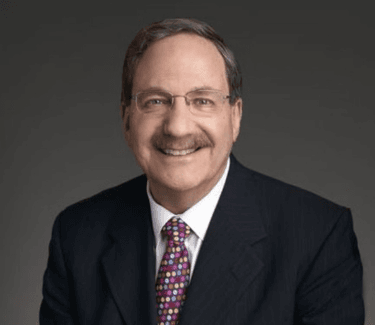
Why did you choose the legal profession as a career?
I had been a government and philosophy major in college and happened to study constitutional law as an undergraduate, which I gravitated towards. My dad had been a CPA, and I had worked for him and clearly understood that wasn’t something I wanted to do for a career. Early on, I thought about combining a career that involved practicing law, teaching, and writing, which I've been able to do over the past half century or so.What do you enjoy most about being an attorney?
When I had been in government as the Assistant Attorney General in charge of antitrust and consumer protection for a couple of decades, I enjoyed the opportunity to develop the law in a number of areas that had been completely undeveloped prior to my tenure. It wasn't just litigating–it was drafting legislation and speaking publicly to encourage practitioners to have a better understanding of antitrust, consumer protection, and constitutional law. I continued to do that when I joined Wiggin and Dana 30 years ago. What I really enjoy is assisting clients and helping them stay out of trouble.What is the biggest challenge you have faced in the legal profession?
In the areas that I'm involved in, you need to be a student of the law for your entire career. I spend a significant portion of my time keeping up to date on antitrust, unfair deceptive trade practices, constitutional law, and administrative law. That's the only way that you can function at a high level and be valuable to your clients or as a government prosecutor. We also have 50 sovereign states, with their own consumer protection and antitrust laws, as well as the federal government. Part of my job as I’m now writing my treatise is to integrate all of those various changes and to take them into cognizance when I’m writing.What do you like most about Connecticut?
There's a greater level of civility that I've seen among lawyers in Connecticut, and many times you're not just dealing with a lawyer once in your career. I really appreciate Connecticut practitioners and how they treat each other. We're also close to our daughter and son in law, and our son and family up in Vermont are not that far away. We’re also close to New York and Boston. The quality of life and the services provided–healthcare services, social services to folks who are underprivileged–are significantly better in many ways than other parts of the country.What community service projects have you participated in and are proud of?
When I was in the Attorney General's office, I helped create litigation and draft amendments for the most expansive consumer protection law in the country. In the 1970s, I was at the forefront of creating what is now normalized—multi state enforcement by state attorneys general, which provides a vehicle for vindicating consumer rights. Also, I had undertaken pro bono work at my firm with profound international consequences. We represented the Fair Factories Clearinghouse, which enabled U.S. manufacturers to verify whether foreign factories comply with labor and safety standards. I obtained a business review letter from the DOJ's antitrust division allowing a database that is now widely used internationally to ensure ethical contracting practices.Why is the Fellows Program special to you?
The Cooper Fellows do our own work, handling programs directly. That makes a big difference because we have our hands on everything. Also, I was the third chair of the Cooper Fellows and one of the first 60 voted in, back in 1994. One of our earlier initiatives came from Peter Arakas, who proposed the high school essay contest, which is still in place today. It’s become a really important program and encourages students to think critically—even if they don’t go into a legal career. An additional project we supported was a remarkable exchange program between Connecticut and Russian judges in the late 1990s and early 2000s. The growth of the Cooper Fellows has allowed for even more projects and seminars today, thanks to the dramatic increase in membership from our original 60 to around 1,500 now. One of the great results of this is that the Bar Foundation can do so much more these days with the various seminars they put on and projects that they undertake.Please share any favorite Fellows-related memory.
The oral history project for women in the legal profession is the project I feel strongest about. I helped orchestrate its beginning, and it has now interviewed many legendary women—academics, judges, and women in private practice. One of the first women interviewed was Bessie Bennett, a classmate of mine at UConn—we graduated in 1973. Bessie had a serious lung condition and passed away shortly after her interview. She graduated from Radcliffe at 16 and became the first African-American woman admitted to the Connecticut bar in 1974. Bessie was extraordinary—kind, smart, and resilient. Despite her illness, she remained incredibly positive. This project and Bessie’s story are among my favorite memories because of my admiration for her and the role we played in preserving her legacy.What do you hope for the future of the Fellows Program?
I think it's in such good hands with the current leadership. We set something in motion and then, because of the quality of the folks who get elected to be fellows, I have complete confidence. Even though I'm not active in the way that I was, I'm still in the leadership of the antitrust section of the American Bar and of the Connecticut Bar, and that's where I've been devoting my time. I still have complete confidence because I see what they do on a yearly basis and how remarkable some of the programs are.Is there a fun fact about yourself that you would care to share with other Fellows?
When I was at Franklin & Marshall College, Mohammad Ali had visited while I was there, and he sort of fake sparred with me. Nobody has since cared about any of the other people I've ever known. People say to me, “Oh my Gosh, I mean, you actually met Mohammed Ali.” -
Bill Logue
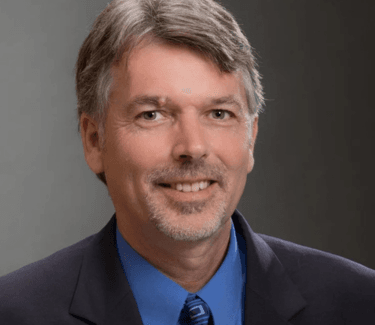
Why did you choose the legal profession as a career?
Many members of my father’s generation were lawyers. Several of them continued to practice law or went into corporate practice, but several also went into public service. I saw law as a lens to help interpret and change society, so being a lawyer was something that I saw not as an end in itself, but I knew the skills and knowledge would help me in whichever path I chose–whether in law or after.What do you enjoy most about being an attorney?
I think it’s helped me understand the way our society works, and it’s given me a way of helping people work through systemic issues however I can.What is the biggest challenge you have faced in the legal profession?
When I got into dispute resolution, I didn't have a background as a litigator. I was also young and looked a lot younger than I was. Being seen as credible was something that I had to overcome through the way I held myself and, hopefully, the skills that I used. Now I'm on the other side of that, trying to help younger folks come along who might be facing some of the same issues. I’ve ended up doing legal education on a part-time basis for almost twenty years now, where I see the next generation and help them be reflective about how they practice.What do you like most about Connecticut?
I was born in Connecticut and have relatives here. I moved away then came back for law school, and I didn’t think I was going to stay, but it's been a wonderful place to raise my family. It’s also a size where, particularly in the legal profession, people tend to know each other–that builds bonds, familiarity, and hopefully a collective effort. It’s something I see in the Fellows and the Bar Foundation.What community service projects have you participated in and are proud of?
It’s probably my work with the fellows: being on the board, helping with symposia, and working on the efforts that help those in need of legal services because that's really the mission of the Bar Foundation. Also, I used to coach local sports teams and was treasurer of the local boys’ lacrosse team for a while.Why is the Fellows Program special to you?
It brings together people who care about the profession, legal services, and those in need of the services. It does that not only through the distribution of money to legal aid organizations and funding of those services but also the education and stimulation of dialogue around important issues. When I was asked to be a fellow, I looked at the criteria and thought, “There’s no way that I belong in this group. I’m not senior enough; I’m not experienced enough.” But then I started working on the Essay Committee, and then I became chair of the Essay Committee, and then I was on the Fellows Education Program Committee. In each and every one of those roles, you need people that are interested, committed, and enjoy what they do. It’s wonderful to be part of that kind of community.Please share any favorite Fellows-related memory.
I enjoyed working on the History of Women in Law a lot, but I think one of my favorite memories is the committee on the History of Attorneys of Color. They did a tenth-anniversary symposium years ago, and I borrowed the concept of creating a timeline–we created sheets that were around eight feet tall with events on them that had happened both nationally and worldwide for people of color. To see people lined up, reading them and taking it in, was gratifying.What do you hope for the future of the Fellows Program?
I think it needs to continue doing many of the things it does. It needs to continue finding ways of promoting awareness amongst the Fellows of the overall mission of the Bar Foundation. The services that legal services providers offer are absolutely necessary, especially as the wealth gap is increasing. It’s going to require court fees, legislative appropriations, and collective support. Having the voices of Fellows behind those issues is critical, so my hope is that we continue to find a connection between the Fellows and the work of the Bar Foundation.Is there a fun fact about yourself that you would care to share with other Fellows?
I think some of my dispute resolution skills came from managing a bar when I was in my early twenties. I had forty employees and a few hundred customers in the place on a busy night.
