


-
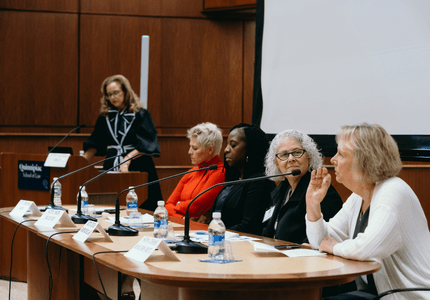
This symposium presented an overview of the history and progress of women in the legal profession since the first woman was admitted to the Connecticut Bar in 1882.
-
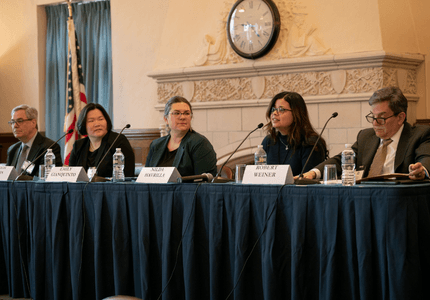
A conversation focused on addressing the need to improve legal access to those who are unable to afford representation.
-
 2023: The Law of Hate Symposium
A conversation examining law enforcement responses to hate crimes and how these actions impact communities.
-
2022: Connecticut Afghan Asylum Project
This project connected Afghans with pro-bono lawyers to assist with their asylum cases.
-
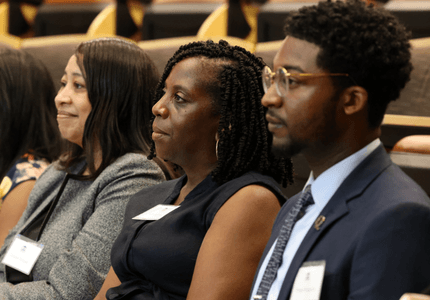
A discussion of the history of attorneys of color in Connecticut led by keynote speaker, Connecticut State Comptroller Natalie Braswell.
-
This program explored the history and development of the rights of LGBTQ+ families in Connecticut and the United States.
-
This series observed the concept of conservatorship, the evolution of statues, and the potential for future reform.
-
 2018 & 2019: Opioid Summits, Parts 1 & 2
These summits started the conversation surrounding the opioid crisis in Connecticut and led group sessions to discuss suggestions on how to combat the rising issue.
-
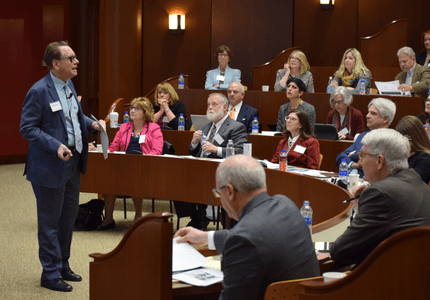 2018: Probate Symposium
A conversation exploring the potential advantages and disadvantages of unsupervised probate for the settlement of a deceased person’s estate.
-
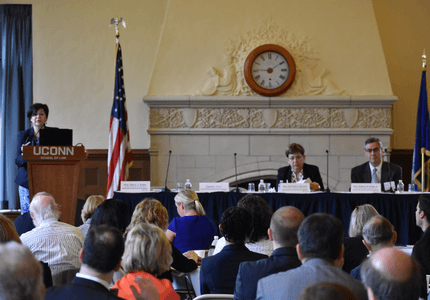 2018: Limited Scope Representation and Modest Means Symposium
A conversation surrounding Limited Scope Representation and how these practices can impact the delivery of traditional legal services.
-
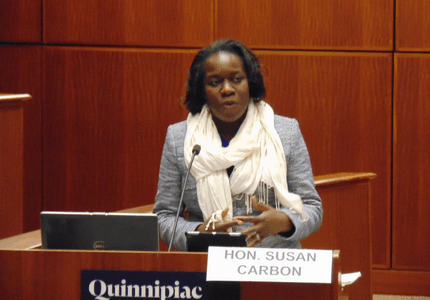 2018: Trauma-Informed Justice Symposium
This Symposium helped enhance understanding of trauma and its impact on legal advocacy and adjudication.
-
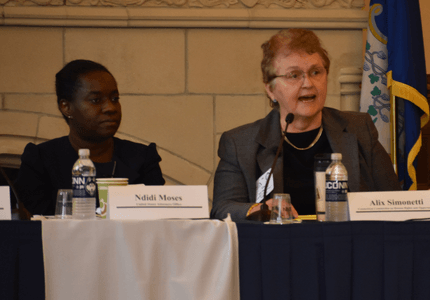 2018: Diversity and Inclusion: Achieving Meaningful Diversity and Inclusion for Lawyers and Law Students with Disabilities
A symposium focused on challenges and strategies for effective inclusion of disabled members within Connecticut’s legal community.
-
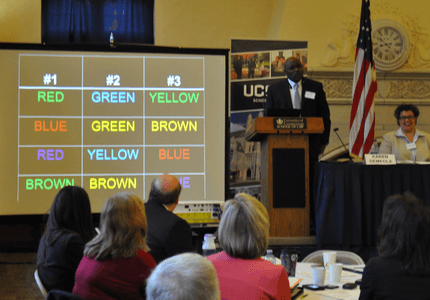 2017: Diversity Symposium
A continuation of presentations on topics such as implicit bias, diversity metrics, and overcoming impediments to achieve greater diversity and inclusion in the legal profession.
-
A concentrated program where Fellows served as mentors for a cohort of Hartford Promise’s potential “Promise Scholars”.
-
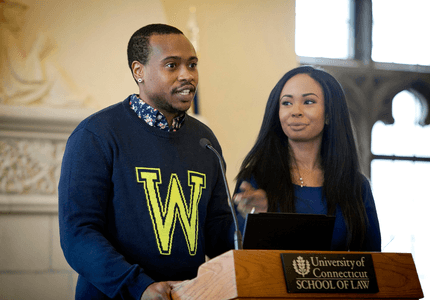 2016: LGBTQ Youth Issues and the Law Symposium
A panel discussion focused on discussing current legal issues affecting LGBTQ+ youth, including LGBTQ+ advocates, Kim and Tiq Milan.
-
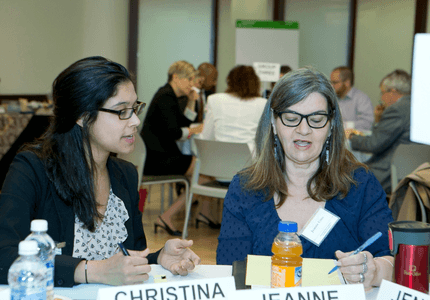
This event discussed how to improve delivery of services to low-income people through pro bono legal help.
-
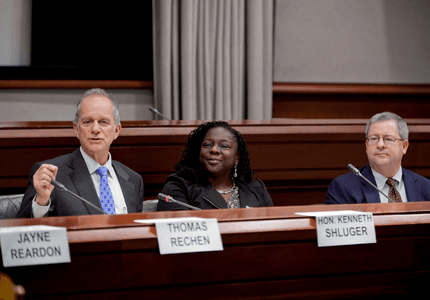 2015: Mentoring New Lawyers: Challenges, Rewards, and Best Practices
This panel discussion highlighted the challenges that new lawyers face when transitioning from studying to practicing law and how mentorship can bridge these gaps.
-
 2014: Veterans in Transition: Military Culture, Mental Health, and Readjustment to Civilian Life Symposium
A discussion centered on U.S. military veterans experience during and after active service and the resources that could help their reintegration into society.
-
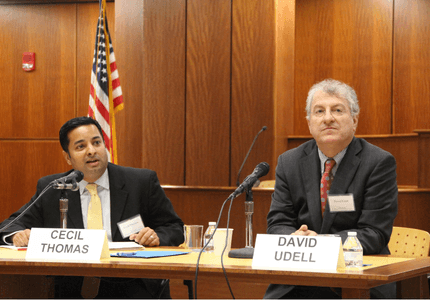
This event explored the establishment of legal aid, the evolving needs for clients, and what the future holds for legal aid.
-
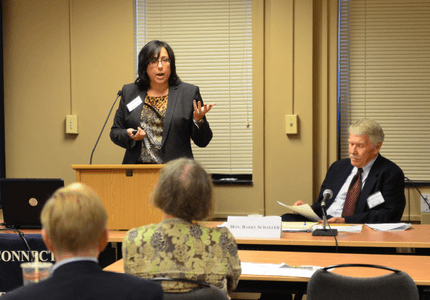 2013: Impaired Lawyer Symposium
This event focused on the physical, mental, and psychological setbacks that affect lawyers and judges and how their community can serve as a resource.
-
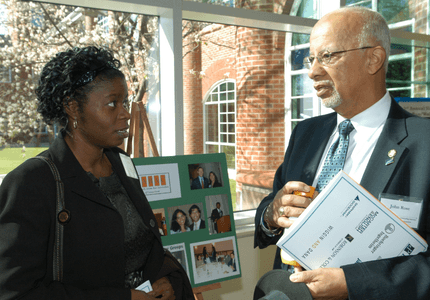
A conversation dedicated to highlighting and preserving the rich history of attorneys of color in Connecticut.
-
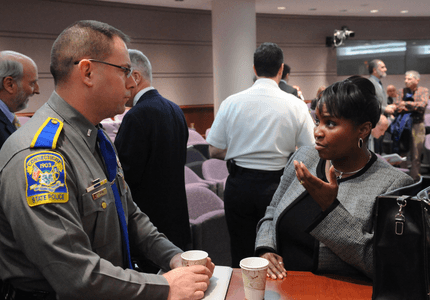 2012: Science of Eyewitness Identification Task Force Symposium
This presentation highlighted the science of eyewitness identification in the state of CT and potential reforms.
-
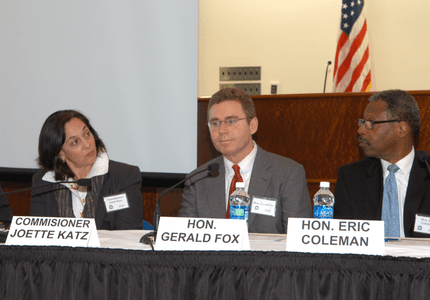 2011: Judicial Independence: A Crisis or Business as Usual?
This panel discussion analyzed the Judicial Branch and the influence the Executive and Legislative Branches has upon it.
-
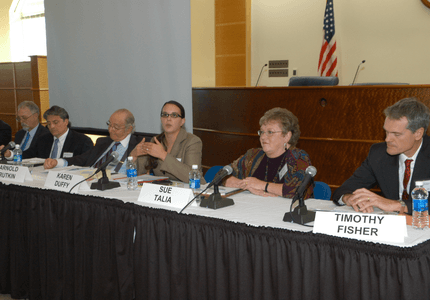 2011: Limited Scope Representation Symposium
This event explored possible revisions to the Practice Book and the Rules of Professional Conduct to approve limited scope representation agreements.
-
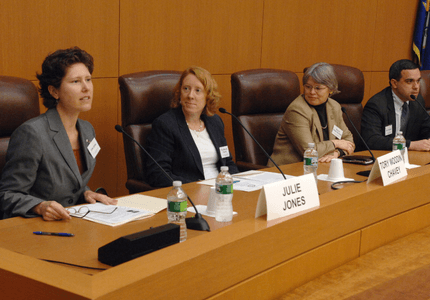 2010: Law & Technology-Flash Forward or Lost: How Technology is Changing the Practice of Law, and What's Next?
This panel discussion examines the growing role of technology and how different generations are reacting and evolving to these changes.
-
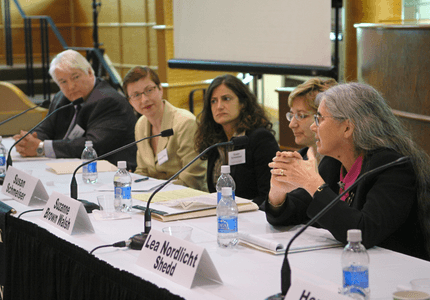 2009: Bioethics and the Law - Legal and Ethical Issues at the End of Life: Confronting Incapacity and the Emerging Epidemic of Progressive and Chronic Dementias
This symposium examined the legal aspects of Alzheimer's disease and new developments in medical research, treatment, and technology.
-
 2005: Future of the Legal Profession Symposium
This event explored the future of the legal profession, legal aid, and the possible resources that can be offered to Connecticut residents.
-
2004: The Expanding Roles of the Judiciary: Boon or Bane to Judicial Independence?
This symposium focused on the question of whether assumptions by the judicial branch on executive responsibilities puts individuals at risk to fully access the courts.
-
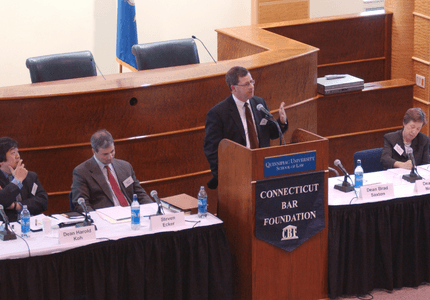 2004: The Significance of Professionalism for Lawyers
This panel discussion defined professionalism, its evolution within the law profession, and how to achieve a sustainable balance.
-
2003: Beginnings of a Law Career
This event discussed steps for new lawyers and how resources can be improved for those newly entering the legal field.
-
2002: Capital Punishment Symposium
This symposium hosted a conversation regarding differing perspectives of capital punishment nationally and within Connecticut.
-
2001: Multidisciplinary Practice Symposium
This panel discussion defines multidisciplinary practice, the proposals for legally regulating it, and practitioners’ responses to the issue.
-
2000: Multijurisdictional Practice Symposium
This symposium addressed the issues raised by multi-jurisdictional practice and how it affects Connecticut attorneys.
-
1998: Children and the Adversarial System
This event explores the representation of children, therapy, and resources for families after a divorce.
-
1996: The Survival of Legal Services for the Poor in Connecticut
This symposium analyzed the current legal services offered to impoverished communities and how it can be improved upon.
